
Your Chania Cruise is about to begin! Below you will find all the amazing destinations that we can visit with our yacht. After that, you can choose your preferred one and book!
+30.6931580888
chaniabaloscruises2022@gmail.com
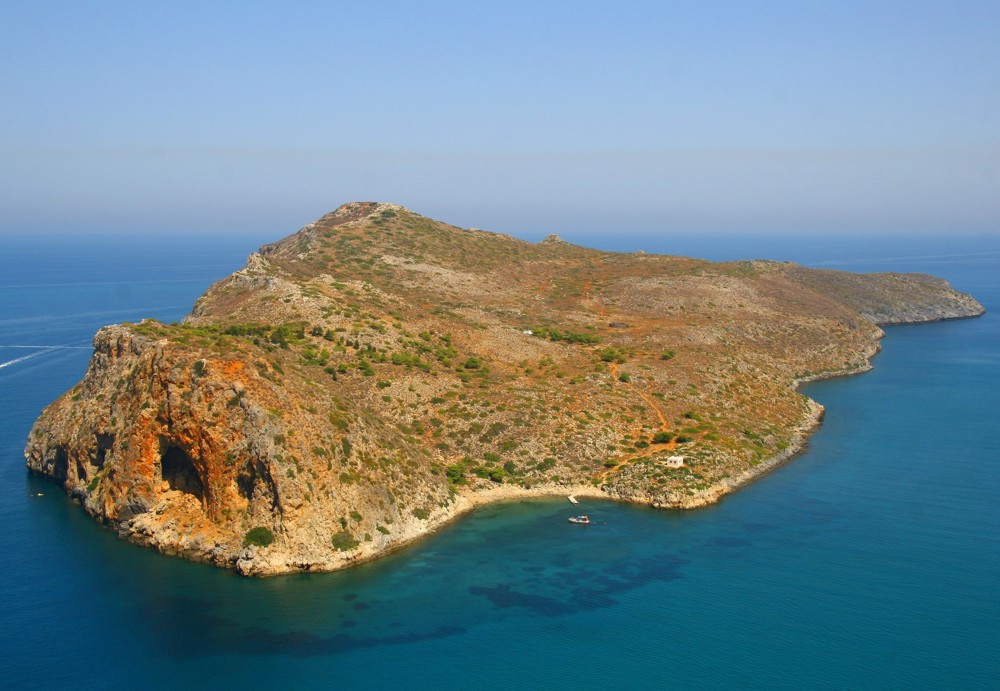
Kasteli-Kolymbari-Theodorou island -Souda Bay- Menies Bay -Seitan Limani- Balos Lagoon – Gramvousa Island – Antikythira island
Chania Balos Cruises
- KOLYMBARI – MENIES 4 HOURS
- KOLYBARI – MENIES ALL DAY
- KOLYMBARI – THODOROU – MENIES 4 HOURS
- KOLYMBARI – THODOROU – MENIES ALL DAY
- KOLYMBARI – MENIES – BALOS ALL DAY
- KOLYMBARI – THODOROU – LAZARETA – CHANIA PORT ALL DAY
- KOLYMBARI – THODOROU – SEITAN PORTS ALL DAY
- FALASARNA – BALOS – GRAMVOUSA – 4 HOURS
- FALASARNA – BALOS – GRAMVOUSA – ALL DAY
- KASTELI – BALOS – GRAMVOUSA – 4 HOURS
- KASTELI – BALOS – GRAMVOUSA – ALL DAY
- KASTELI – BALOS – FALASARNA – ALL DAY
- KASTELI – BALOS – FALASARNA – ELAFONISI ALL DAY
- KASTELI – BALOS – ANTIKYTHIRA – ALL DAY
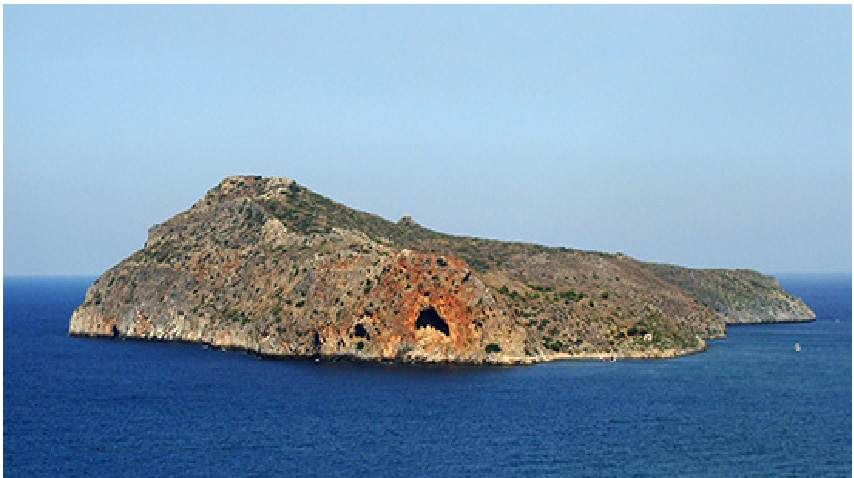
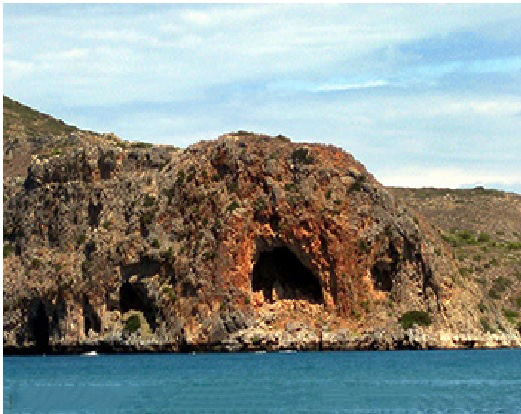
History of the Thodorou Islands
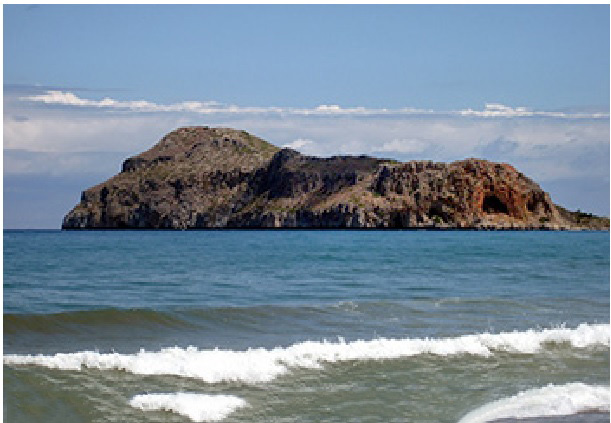
The history of Thodorou is very interesting. The large island was known in antiquity at Akytos (meaning unsuitable for habitation) or Letoa, while it was also mentioned as Toullouros.
In the Minoan period, the Thodorou islands were a sacred sanctuary, but their character and function changed in Christian times and the Venetian period.
The Venetians referred to the main island as San Theodoro or San Todaro. In 1574 they decided to build a fortress on the island and reinforce its defences in order to prevent pirates and Turks from invading Crete from the direction of Platanias.
They therefore built a fortress on the highest point of the island and named it Turluru. They also built a smaller one lower down, naming it San Theodoro. Both fortresses were polygonal and cost about 21,500 ducats, a large sum at the time, but the Venetians were aware of the island’s strategic importance and did not stint the money.
A guard of 70 men lived on the island permanently to protect the coast of Platanias. In 1645, however, the Turks attacked Crete and 70 men proved too few to resist the enemy. When they realised the battle was lost, they preferred to die rather than surrender. They blew themselves up and put an end to their lives on Thodorou.
In 1650 the islands passed back into Venetian hands until 1699, when the Turks reconquered them, ruling them until the liberation of Crete.
Today only a few ruins remain of the castles and the older little church of Agios Theodoros.
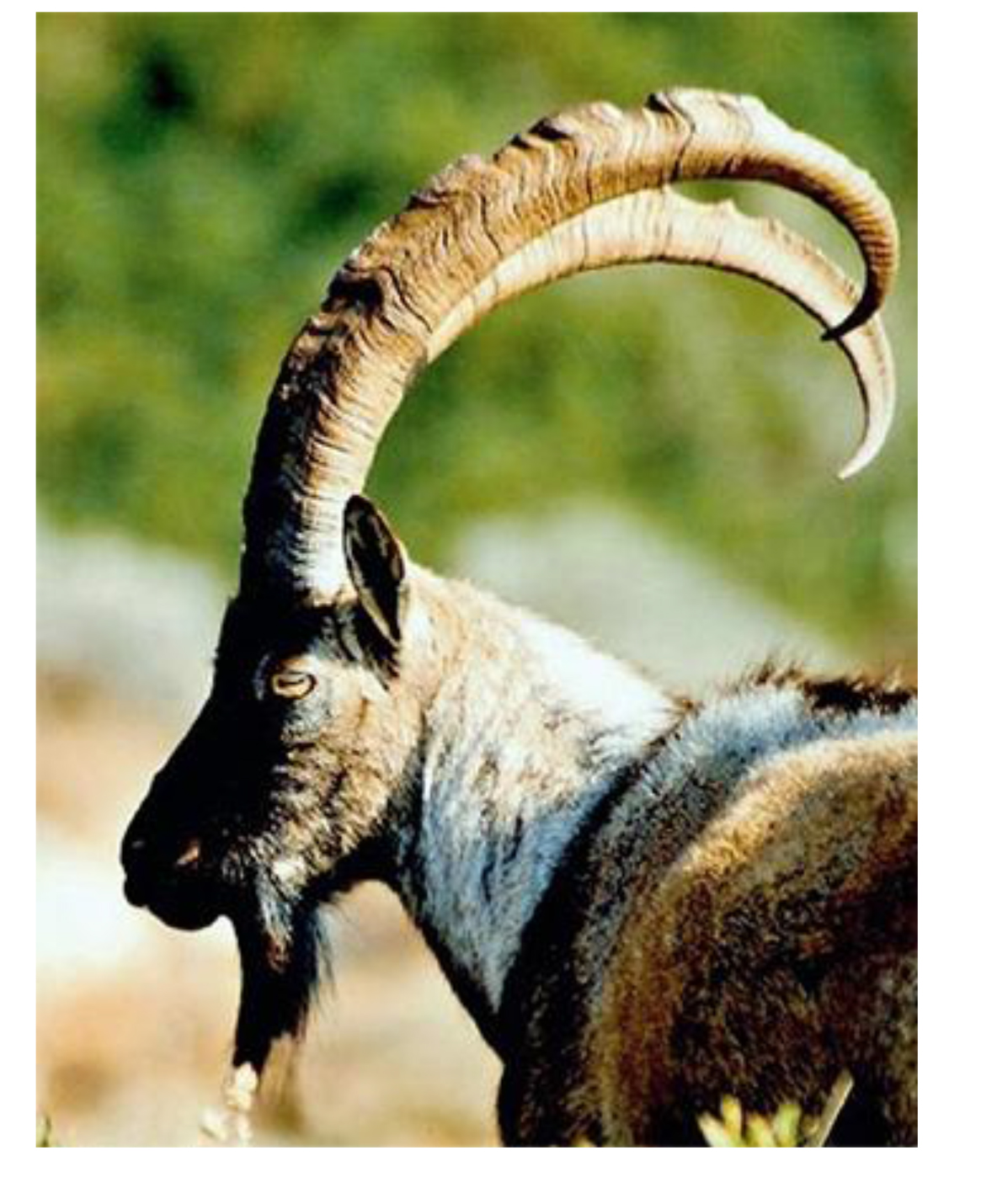
The Thodorou Islands once guarded Crete from her enemies, but now they protect the Cretan Ibex from its own enemies, the hunters who would love to add the famous Kri-Kri, the wild goat of Crete, to their trophies.
The wild goats were moved to Thodorou from the mountains of Crete, to allow them to breed in peace, far from poachers and other dangers.
In order to protect the Cretan ibex or kri-kri, the state declared Thodorou a National Park and banned any human presence and activity there. About 80 ibexes are now thought to live on the island, protected by a special guard.
They saw a huge black mass rushing at them, with its baby following behind. One version of the story says that the monster was a massive weal with its cub.
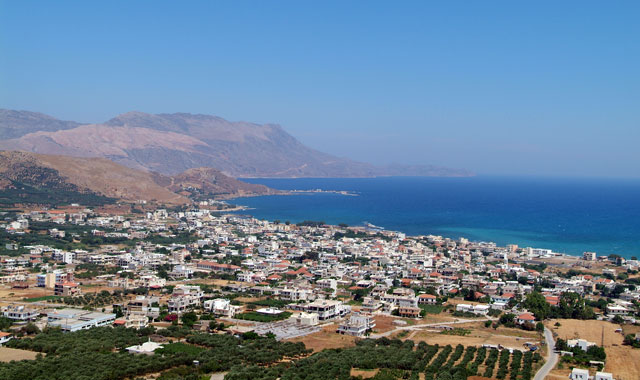
Kasteli in Chania is a small town in Chania, Crete, in the northwestern tip of the island. Kissamos, which is referred as “Kasteli” by many people, is located 43 km from Chania and, by first sight, it may seem to you that it doesn’t have many exciting things to do, although, the reality is totally different. Don’t forget that in the western side of Crete, there are some of the most popular/awarded beaches in the world like Elafonisi, Falassarna, Balos and Gramvousa.
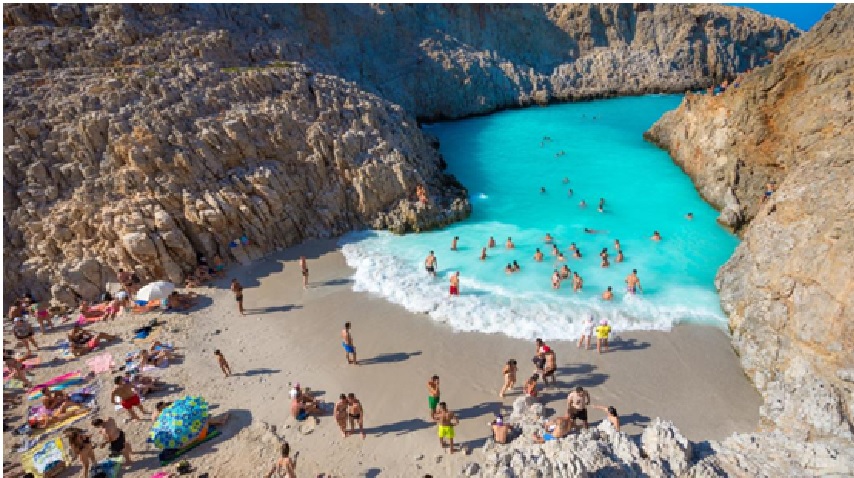
HIDDEN PARADISE
In ports: The Paradise, but the Cursed Beach of Crete
It’s a magic spot, and no photograph can render its magnificence.
The cruise starts from Kolymvari small port at 14:00 p.m. and continues to The Thodorou island and we sail through The Old Harbour of Chania Town .We end to the Seitan Limani where we stop for swimming,snorkeling of Fishing.
The Seitan ports are located on the northeast side of the Cape Peninsula in western Crete, 20 kilometers from the city of Chania There, the sea lanes penetrate between Cape’s hidden rocky coasts, creating small beams. One of them is this well-hidden – and damned – beach.
The site is known as Ceitan Ports or Stephanus Seitan Beach. The word Seitan is Turkish, apparently left over from the time of the Turkish Republic in Crete, and translated as evil. So Ceitan Ports are translated as Trans-Atlantic.
The site is also referred to as Saint Raphael, from the church located at the beginning of the canyon, and as Saint Spyridas from the old chapel built there in the rock.
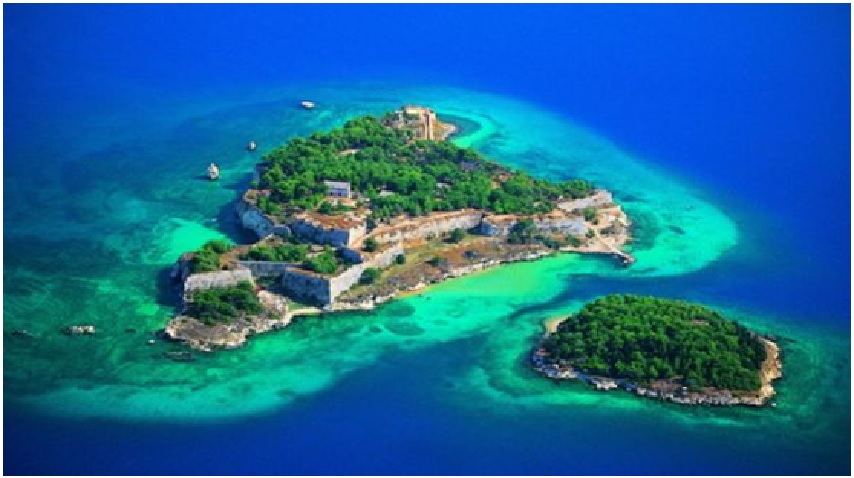
Other line cruises are :Kolymvari-Menies beach-Lazzareta-Old Harbour of Chania Lazareta-Souda Bay
Lazareto is a small rocky islet (about 200m long and 70m wide) that is almost a mile from the coast of New Country, which lies near the old city of Chania. The beach on the southern side of the island is ideal for swimming, and its magical bottom will leave you speechless.
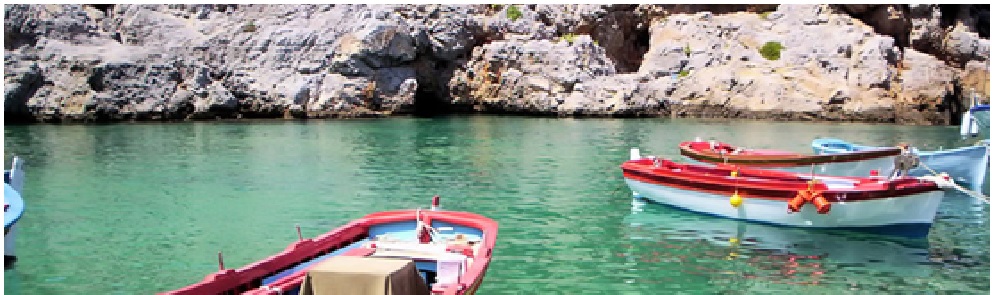
Our trip starts from Kasteli little Port is full day swimming and fishing cruise.For those that just a short trip around seems relaxing this is the adventure might need to do at least once in life!The place is the ideal for speargun lovers.The variety of fishes around the area is familiar to seals, swordfish e.t.h
Notice:Please for spearguners keep your personal equipment
In the Antikythera there is only one beach, the beautiful beach in the Dry Water Bay, in the northeast of the River, near Ancient Ayla. Several visitors are taking their bath at the Halara site, located on the River. The boldest and most wildlife enthusiasts dare swim in the Cammarella, which is not a beach, but a wild and striking marine landscape.
Description
A great trip for any Chania visitor is the mini-cruise to Gramvousa and Balos!
Our trip starts at 09:00 a.m. from the main Port of Kissamos in Kasteli town As soon as we reach the port, you go aboard the ship to set out on the cruise. Approximately after a half an hour later you reach the small island of Gramvousa. The ship stays in the island for one hour. The castle of Gramvousa is to be found at the top of the island… built by Venetians on top of some steep cliffs in order to act as a fortification protecting the island, today it offers visitors a panoramic view to the amazingly blue waters of the Cretan sea. If you wish so, you can climb up the path to the castle, if not, you can stay on the beach and swim or fishing or snorkeling with our equipment provided to everyone! You may choose to the 4 hours semi cruise ot the full day trip about 7 hours long.Of course the programme is flexible to your wishes unless is within 4 hours time schedule .Also private cruise is offered. The boats are for up to eight persons capacity.The boats have professional skippers crew and permission from the Greek Navy department follow the Greek Sea Low.Safety is our priority.
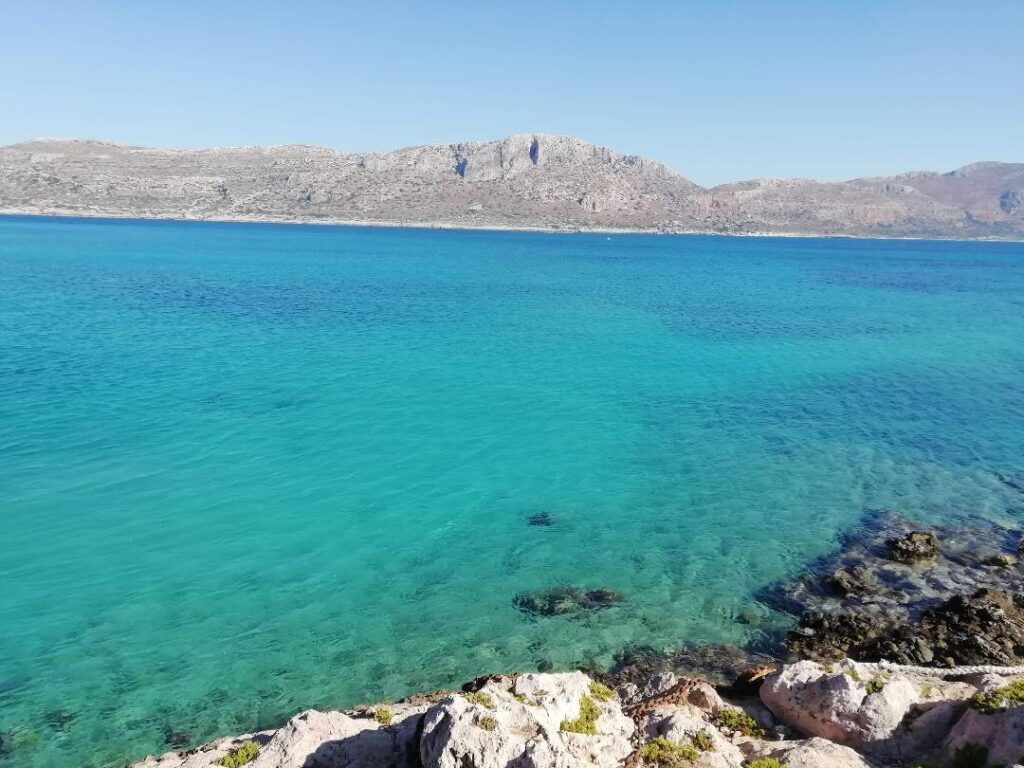
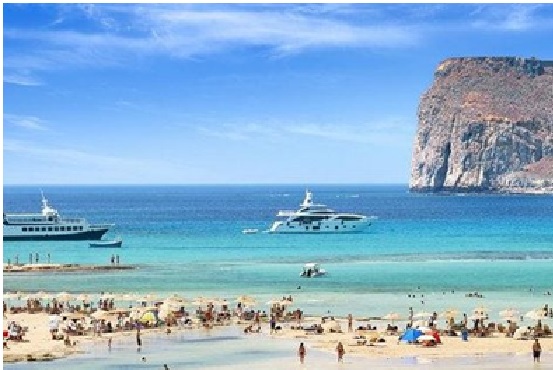
The ship departs from Gramvousa island and continue for, the breathtaking lagoon of Balos being its destination… The journey is short, and lasts only about 15 minutes. The ship reaches Balos at and stays there for the rest hours. Words can’t possibly do justice to the wild beauty your eyes will meet once you reach Balos… The white and at some places pink sand, the turquoise warm and shallow waters, the rocks reaching for the sky around the lagoon… all these amazing elements come together to create a heavenly landscape, which you are bound to want to keep returning to!
The ship departs for Kisamos Port at 13:00 p.m.. On board and throughout the journey, you can enjoy your snack or fruits served on the ship.The guests must wear flat shoes or athletic shoes ,hut and keep their own beach towels and a bottle of water.Snorkeling equipment is provided if you make your request
Second Choise; full Trip Kasteli-Balos Lagoon-Gramvousa Castle-Falasarna Beach Only full day Cruise
For children please be aware to keep their special needs equipment
All the guest have life jackets and insurance accident cover third part assistance health insurance.
Please be so kind to specify the ages of all the persons book to avoid misunderstandings
Cancelation Policy:
The costumers must inform the business at least 3 days before for any changes or cancelations
The costumers will be fully refund for cancellations prior 3 days After 3 days informed 50 per cent payment will be charged
The costumers must indicate on time for any extra persons might need to be added on cruise
The cruise must be confirmed after the full payment has been done and they have the confirmation message from the company
No alcohol is allowed on board
Not acceptable behaviors are permitted
The Trip might be need to rescheduled according to the weather conditions
There is a second evening trip from 13:40 p.m. to 17:40 p.m. So book on time!
More info
The name Gramvousa has been found in various forms. The Venetians referred to it on their maps as the cape, Cavo Buso, and the Cretans, who translated it to Akra (capo) called it Cavo Bouza, this then became Krampouza, then Gramvousa.
In the opinion of N. Hatzidaki, the name originates from the plant Crambe – Kramvoessa, which became Gramvousa. The Venetians named it Scoglio e fortezza Garabuse. The Venetians built the castle, in fear of occupation of Crete by the Turks, which would lead – and did eventually lead – to the end of the Venetian Empire.
After the Turkish occupation of Crete, it was one of three castles that remained under Venetian ownership (the other two were Souda and Spinalongka). Even though the castle was impregnable, during the Venetian – Turkish war, its Italian governor was bribed by the Turks, and it was handed over to them in 1692.
During the Greek uprising against the Turks, Gramvousa played an important and decisive role. After many attempts, the castle was finally conquered by Cretan rebels in 1825 when a group of Cretans, disguised as Turks, entered the castle.
Gramvousa was the first area of Crete that was freed from the Turks. It became shelter for more than 3,000 Cretans and became a base of operations for revolutionary groups. From free Gramvousa began the uprising of the Kalisperides, a group that spread terror among the Turks. In order to create a diversion they organized Zoyrides, armed groups that ambushed the Christians.
As conditions for survival were harsh, the residents of Gramvousa turned to piracy, indiscriminately looting boats passing between Gramvousa and the island of Antikythira, a fact that turned European opinion against them.
In 1828, with the agreement of the Greek government, fleets from England and France routed the pirates and occupied the castle. After signing the Protocol of London, Crete remained under Turkish occupation until 1831 and the castle of Gramvousa was handed over to the Turks once again by the Russian guard.